
Electrical Panels
Electrical Control Panels: The Heart of Industrial Control
An electrical control panel is a vital component in managing and controlling the electrical systems
It serves as a central hub, allowing operators to monitor, control, and optimize the performance of various electrical equipment and circuits from a single location. This centralized control system not only ensures the smooth operation of machinery but also enhances safety, troubleshooting efficiency, and system reliability.
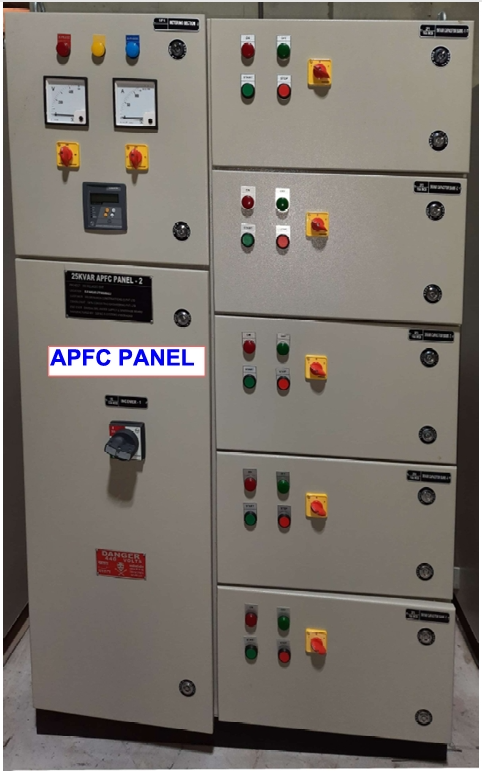
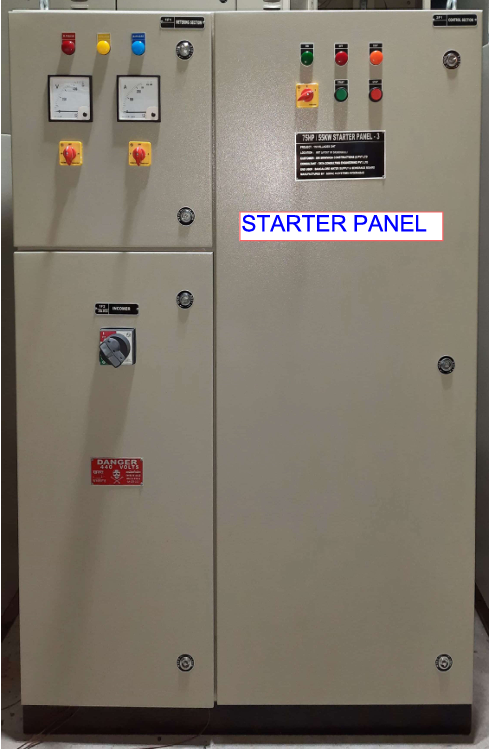
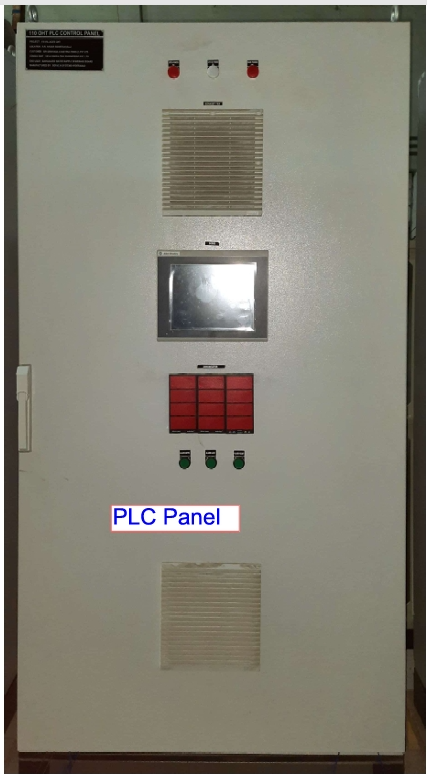
Structural Components of an Electrical Control Panel
Electrical control panels are meticulously designed to house a wide array of electrical components, ensuring that each piece is securely installed and protected from external conditions. The primary structural components of an electrical control panel include:
The Enclosure
The enclosure acts as the body of the electrical control panel, typically constructed from durable materials like aluminum or stainless steel. It protects the internal components from environmental factors such as dust, moisture, and potential hazards. The size and specifications of the enclosure vary depending on the application, with classifications defined by NEMA standards to indicate whether the panel is suitable for indoor or outdoor use, as well as its resistance to water, dust, and other hazardous conditions.
The Back Panel’s
The back panel is a critical internal component where electrical equipment is mounted and connected. Made from sturdy metal, it provides a secure base for mounting components using DIN rails and wire ducts. The DIN rails allow for easy installation and adjustment of electrical components, while wire ducts organize and protect the wiring, making maintenance and troubleshooting more efficient.
Wire Ducts and DIN Rails
Wire ducts, typically made of plastic, ensure that wiring within the control panel is neatly organized and safely routed. The removable lids protect the wires and give the panel a clean, professional appearance. DIN rails provide a versatile platform for mounting electrical components, allowing for quick and easy adjustments.
Electrical Components of an Electrical Control Panel
The internal structure of an electrical control panel houses a variety of electrical components, each playing a crucial role in the panel’s functionality:
Electrical Components of an Electrical Control Panel
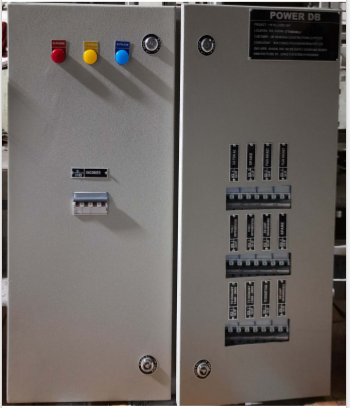

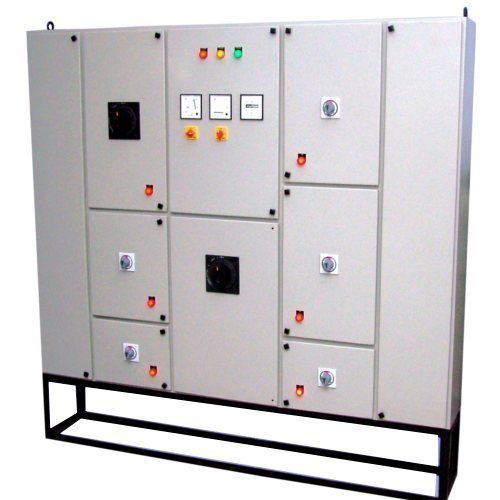
- 1. Main Circuit Breaker
- The main circuit breaker connects the incoming power supply to the control panel. It allows operators to safely disconnect the panel from the power source and provides protection against faults by automatically interrupting the circuit in the event of a power surge or short circuit.
- 2. Branch Circuit Breaker
- Branch circuit breakers manage the flow of electricity to specific devices or sections of the system. They offer protection by disconnecting circuits when faults occur, ensuring that only the affected areas are isolated while the rest of the system continues to operate safely.
- 3. Transformer or Power Supply
- Transformers or power supplies are responsible for converting incoming high-voltage power to the lower voltages required by the panel’s components. In cases where multiple voltage levels are needed, additional transformers or power supplies may be used to provide the appropriate power for each component.
- 4. Programmable Logic Controller (PLC)
- The PLC is the brain of the electrical control panel, processing input data and controlling the system based on pre-programmed logic. It connects with various sensors and inputs, adjusting outputs to maintain efficient and safe operation of the entire system.
- 5. Human Machine Interface (HMI)
- The HMI provides a user-friendly interface for operators to interact with the control panel. It displays real-time data, system status, and allows operators to input commands, making it easier to manage complex processes and ensure smooth operation.
- 6. Network Switch
- The network switch manages communication between the PLC and other components within the panel. It ensures that data is accurately transmitted, enabling the seamless operation of the automated system.
- 7. Relays
- Relays are electromechanical switches that control the connection and disconnection of circuits within the panel. They are used for various purposes, including controlling small devices, managing motor operations, and providing emergency stop functionality.
- 8. Push Buttons and Pilot Lights
- Push buttons and pilot lights provide manual control and visual feedback for operators. Push buttons allow for direct control over specific functions, while pilot lights indicate the status of the system, such as power availability or fault conditions.
- 9. Terminal Blocks
- Terminal blocks provide a secure connection point for wiring within the control panel. They are essential for organizing and distributing power to different components, ensuring that each part of the system receives the appropriate voltage.

So Fac E-Systems
We are expertise in providing the Complete Instrumentation Solutions for Process Automation & Facility Management.
Contact Us


